
Over the past decade, the media have been spreading the good news about a supplement that has spawned a $1.2 billion industry: fish oil. The omega-3s in fish oil have been widely touted for their heart and brain health benefits. But the National Institutes of Health have evaluated the scientific evidence for and against fish oil supplementation and have come out, well, both for and against it.
On one web page (cited in 2015 by the Washington Post, and now unavailable either live or archived), the NIH recommended fish oil as “likely effective for heart disease.” But on another NIH page (still accessible), they point out that researchers haven’t found a link between fish oil supplementation and heart health.
It’s easy to get confused by competing nutritional claims like these. We’ve heard competing claims that red wine is good for the heart — and alcohol causes cancer. Research has shown butter clogs arteries, but then the media tell us “butter is back.” So is fish oil effective against heart disease, or is it not?
Of course, fish oil and omega-3s, while synonymous in the broad wash of sloppy media coverage, are not the same thing.
What, then, does the evidence say about the importance of omega-3s and their efficacy? How much do you need to function at your best? And if you don’t eat fish or take fish oil supplements, can you reliably get enough omegas from vegan sources? Heck, what are the best sources anyway?
What Are Omega-3s?
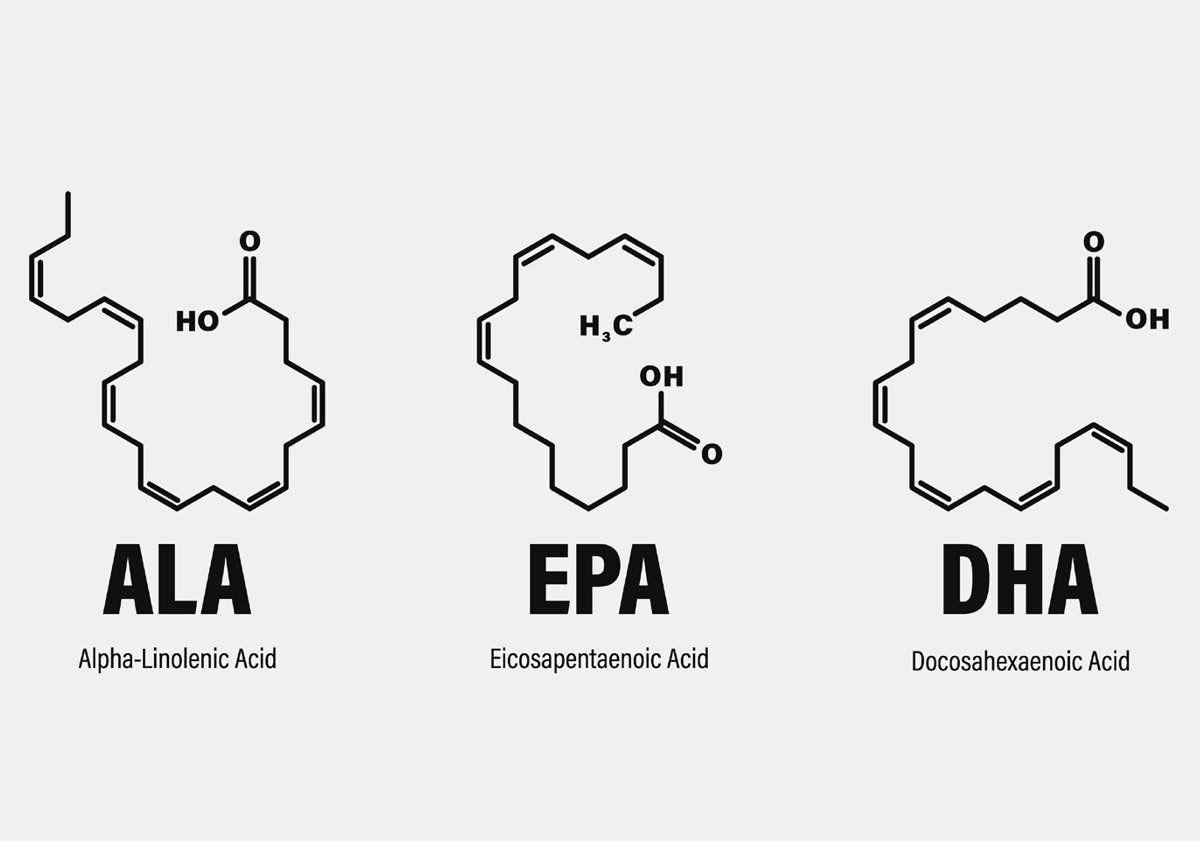
Omega-3s are a type of polyunsaturated fatty acid (a family of compounds signified by the acronym PUFA, which sounds like a Teletubby or an extremely comfortable chair). They fall into the category of essential fatty acids. In nutrition, “essential” simply means you can’t make them yourself, so you have to source them externally, either through food or supplementation.
In chemical nomenclature, the “omega” signifies the location of the double bond in its carbon chain. It has nothing to do with the Omega watches that James Bond wears, although his last name does make me wonder.
There are 3 types of omega-3s: ALA, EPA, and DHA.
ALA (alpha-linolenic acid) fats are mostly metabolized in your intestines and liver and are needed for energy. ALA is a shorter long-chain fatty acid precursor, meaning your body can also convert ALA into the other two long-chain omega-3s, EPA and DHA. However, research indicates that most of us are not very efficient at converting ALA to EPA and DHA. An average of just 1–10% of ALA is converted into EPA, and 0.5–5% into DHA.
The conversion rate can vary significantly between people, depending on factors like genetics, age, and health status. Interestingly, women may be better at this conversion than men, thanks to higher estrogen levels.
EPA (eicosapentaenoic acid) and DHA (docosahexaenoic acid) are long-chain omega-3 fatty acids whose names sound nothing like Teletubbies. Both can be converted from ALA, as mentioned above, but you can also get EPA and DHA from food and supplements.
EPA and DHA offer more potent health benefits than ALA. For instance, EPA helps manage inflammation in the body, and DHA is crucial for maintaining brain health.
How Much of the Omega-3s Do You Need?
The recommended daily intake of omega-3s by age group is as follows:
- 0-6 months: .5 g
- 7-12 months: .5 g
- 1-3 years: .7 g
- 4-8 years: .9 g
- 9-13 years: 1.2 g (male), 1 g (female)
- 14+ years: 1.6 g (male), 1.1 g (female)
- Pregnancy: 1.4 g
- Breastfeeding: 1.3 g
But aside from babies up to one year old, these omega-3 numbers are only based on ALA intake.
There are no official guidelines for DHA and EPA amounts. However, FRN’s dietician teaching staff in our Plant-Based Coaching Certificate recommends that adults who don’t eat fish should generally be supplementing with 500-1000 mg of EPA/DHA per day.
Meanwhile, surveys have shown that most American adults are only getting around 90 mg per day of EPA and DHA combined, which means that most of us are only getting a fraction of the amount we might need for optimal health.
Food Revolution Summit speaker and plant-based cardiologist Dr. Joel Kahn has told me that the #1 email he sends to his patients after getting their lab work completed is: “You’re low in omega-3s.” And a 2019 study published in the journal Nutrients backed this up. Researchers assessed the omega-3 intake of over 45,000 Americans, finding that every age group fell short when it came to meeting daily recommended intakes.
If we were doing as badly on protein, vitamin C, or calories, it would be considered a public health emergency. But once you see how important omega-3s are to your health, you might see this that way, too.
Omega-3 Health Benefits
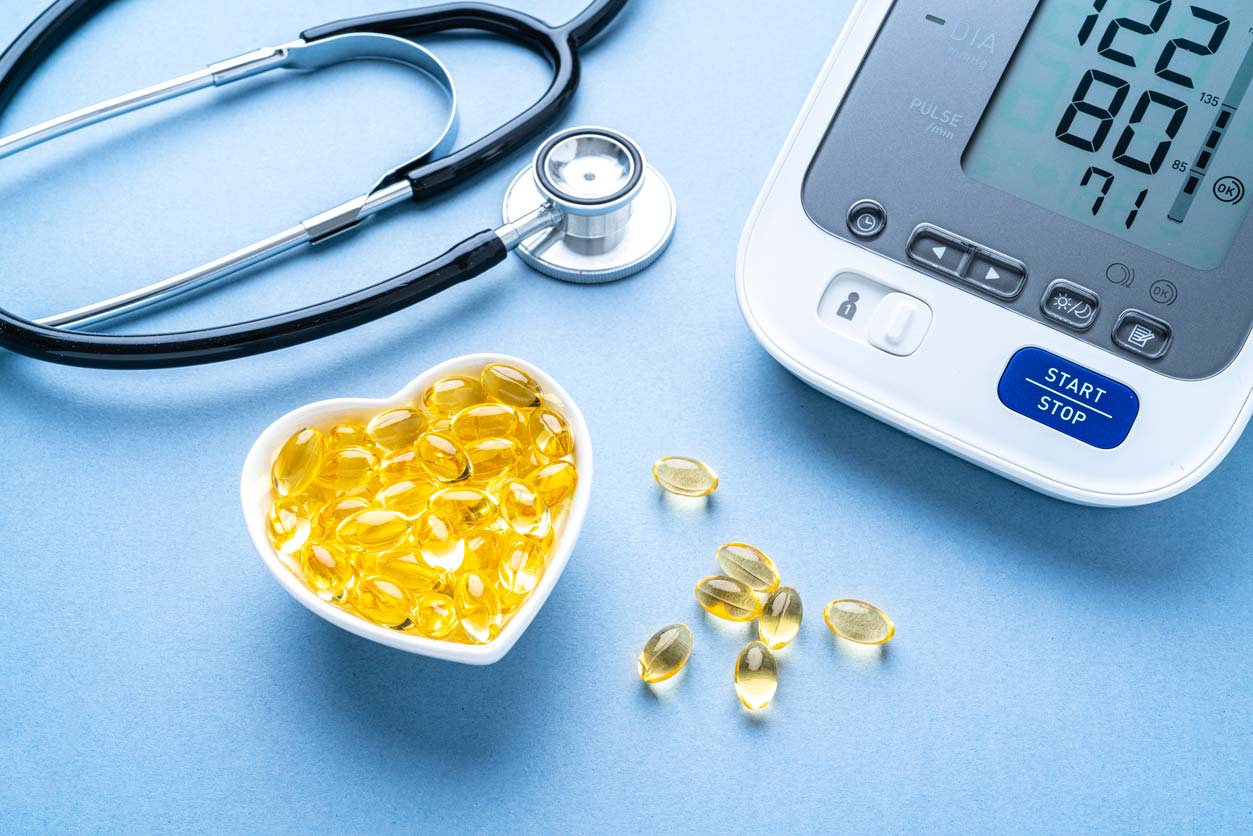
Most of the research on the potential health benefits of omega-3s has focused on fish and fish oil. Observational studies have linked higher intakes of fish and seafood to better outcomes related to heart and brain health, inflammation, cancer, and even IQ scores.
In a 2019 review of 44 studies that was published in the highly specialized medical journal PLEFA (“Prostaglandins, Leukotrienes & Essential Fatty Acids” isn’t what most people would call light reading), researchers concluded that children who ate seafood had better school grades, and higher IQs by as much as 9.5 points when compared to their peers who ate no fish.
Whoa, that sounds like a huge difference!
But the problem is, we don’t know exactly why fish appears to be helpful. Is it because most types of fish are high in omega-3s (which they are), and omega-3s are awesome for us? Or is it because fish is less harmful than the food it replaces, like red meat and heavily processed foods?
The jury is still out on whether the healthiest diet contains some fish, or is completely animal-free. To reach clarity on this topic, we would need clinical trials conducted over long periods of time, with highly compliant participants willing to stick to a particular eating pattern for decades. In other words, we may never know with certainty. (For more on what we do know about the pros and cons of fish, click here.)
Still, we do have some research that points to the considerable health benefits of omega-3s — whether or not they are derived from fish. Here are six areas in which omega-3s appear crucial.
1. Omega-3s may reduce your risk for heart disease.
Even with all the controversies, there is solid evidence that getting enough omega-3s can protect your heart. In fact, they have been shown to significantly lower your risk for sudden death from heart arrhythmias and all-cause mortality among people with known coronary heart disease. Omega-3s have also been shown to be effective in lowering LDL cholesterol and triglycerides, as well as high blood pressure, which are all risk factors for heart disease.
Omega-3s can also raise HDL (“good”) cholesterol, reduce platelet aggregation, prevent coronary artery blockages, reduce the chance of abnormal heart rhythm, lower inflammation, and improve arterial health by helping prevent the buildup of plaque.
90% of heart disease
can be prevented,
and even reversed.
Discover the research-backed and all-natural ways you can stop heart disease from stopping you
in the FREE

WATCH HERE
2. Omega-3s support brain health and development.
Getting enough omega-3s is particularly essential early in life, as the brain grows and develops. But that doesn’t mean it’s not important later, too. In fact, a 2018 review discussed how omega-3 fats may benefit mild cognitive impairment, such as in the instance of major depressive disorder or Alzheimer’s dementia. Omega-3s have a potent anti-inflammatory and antioxidant effect in the brain.
So while extra omega-3s may not turn you or your child into an Einstein, not enough can impair brain development in infancy and childhood, and is associated with higher rates of dementia and depression in adulthood.
3. There may be immune benefits to omega-3s.
Omega-3 fats are considered immunonutrients, meaning they have a unique role in the cell signaling and cellular structure of the immune system. As such, they’re commonly used as part of treatment protocols for cancer patients. Omega-3 fats are known to suppress inflammatory processes throughout the body. This has notable benefits for reducing cardiovascular disease, rheumatoid arthritis, dementia, and many other serious conditions.
But you may wonder whether the anti-inflammatory effect of omega-3s could reduce the effectiveness of the immune system since inflammation is one of its key mechanisms. It turns out otherwise, though. Omega-3s appear to ramp up the actions of the beta immune cells, leading to healthier and more calibrated immune responses.
4. Omega-3s may support eye health.
Having enough omega-3s circulating in your body may help prevent age-related macular degeneration (AMD), a common eye condition that can result in vision loss. One 2014 study found that higher levels of EPA, DHA, and markers of long-chain polyunsaturated fatty acid storage were strongly associated with a reduced risk for AMD.
5. You can boost your mood with omega-3s.
With the increased prevalence of mental health concerns like depression, the use of supplements like omega-3 have also increased. And it seems like this may be worthwhile for many people. A 2019 meta-analysis found that omega-3 supplements with an EPA concentration of at least 60%, and taken at a dosage of ≤1 gram per day, have beneficial effects on depression. Other studies on omega-3 supplementation have led to mixed results. However, it’s generally thought that EPA may benefit people with depression, while DHA may reduce the risk of suicide.
6. There are anti-inflammatory benefits to omega-3s.
Many studies, using a placebo control, have found that omega-3 supplements are as effective as anti-inflammatory medications in terms of reducing symptoms of chronic inflammatory diseases. But instead of negative side effects, they might also provide benefits to your heart, brain, immune system, eyes, and mood!
Omega-3 Deficiency
With all these amazing benefits of omega-3s, there’s no question they’re important for your health. And not getting enough can have serious consequences if it’s not identified and properly addressed.
Omega-3 fatty acid deficiency may lead to dry scaly rash, decreased growth in infants and children, increased susceptibility to infection, and poor wound healing. Given the activity of omega-3s in your brain, not getting enough of them can also lead to brain impairment, including effects on your memory and ability to think clearly.
Fortunately, true deficiency of omega-3s is very rare, at least in the US. It’s more common to experience omega-3 insufficiency, where you’re getting some, but not enough for optimal benefits.
As mentioned earlier, in the US, the average intake of EPA and DHA from food sources is about 90 mg in adults. Of course, some people are able to convert ALA to EPA and DHA but not always with great efficiency.
Getting enough ALA is a concern, too, although it’s less of a problem because it’s found in more foods, particularly on a plant-based diet. In adults aged 20 years and older, the average daily ALA intake from foods is estimated to fall around 1.59 grams in females and 2.06 grams in males.
Omega-6 to Omega-3 Ratio
Getting enough omega-3s isn’t the only factor to consider, however. It’s also important to understand how much you’re getting in relation to other omega fatty acids — namely omega-6s. You can find omega-6s in most vegetable oils, with sunflower, corn, soybean, safflower, and cottonseed oils containing the highest amounts. Olive oil and avocado oil are an exception, as they are not high in omega-6s. But the standard Western diet is notorious for giving us way too many omega-6s compared to omega-3s.
This is a serious problem because too much omega-6 in your diet can have a pro-inflammatory effect on the body and increase your risk of various chronic diseases.
In general, omega-6s are pro-inflammatory, while omega-3s are anti-inflammatory. But it’s not that one is bad and one is good — you need both, just in the right proportion.
So what’s the optimal ratio of the two? Ideally, you want an omega-6 to omega-3 ratio somewhere between 4:1 to 1:1. Some sources estimate that the ratio of the average American falls around 16:1. Yikes!
If your diet is heavy on the omega-6 side, this can actually reduce how efficiently your body can convert ALA to EPA and DHA, which, as we mentioned earlier, is already a fairly low conversion rate for most people. This appears to be because some omega-6s compete for the same enzymes to complete these conversions. Reducing your dietary omega-6s can also increase the bioavailability of omega-3s.
Who’s Most at Risk of Omega-3 Deficiency?

There are certain groups of people at higher risk of omega-3 deficiency. One example is people dependent on feeding tubes, in which nutrition is delivered directly to the stomach, bypassing the mouth and esophagus. Their risk is magnified if they have malabsorption issues and are dependent on feeding tubes long-term.
Other populations may have insufficient levels of omega-3, and of EPA and DHA, in particular. Vegans and vegetarians who do not eat seafood may be at risk of deficiency, as fish is high in EPA and DHA. If this is you, don’t despair; we’ll talk about alternative sources below.
Adults over 65 years of age can be at a higher risk for nutritional deficiencies in general, due to reduced appetite and less efficient nutrient absorption and metabolism. This may mean a higher risk for fatty acid deficiencies, though more studies are needed to assess omega-3 status in specific age groups.
Lastly, people who eat a westernized diet have a higher risk for omega-3 insufficiency even if they do include some seafood in their diets. This is because the Western diet includes so many pro-inflammatory foods, such as ultra-processed and highly refined grains, oils, and added sugar. One 2016 study that looked at the EPA and DHA blood levels among various populations found that fatty acid levels are higher in places where people are eating a more traditional diet and haven’t fully adopted a Western dietary pattern.
It’s wise to get blood levels checked, and probably best to aim for an omega-3 index of at least 6%. Research finds that most vegans and other people who don’t eat fish fall well below this threshold.
Omega-3 Fatty Acid Testing
Unlike tests for cholesterol or fasting blood sugar, tests for fatty acid deficiency are not routine diagnostics. Doctors tend to prescribe this test just for pregnant women or people with cardiovascular disease. However, you can request a fatty acid test from your doctor if you’re curious or concerned.
The fatty acid test is a fasting blood test, which means you can’t eat or drink anything (except water) the night before (so it’s best to schedule for the morning). The results will tell you your omega-3 (EPA+DHA) index, which generally falls between 3–4%. Ideally, your results will be greater than 3.2%. But an omega-3 index of 8% is thought to be the ideal target, especially in reducing the risk of cardiovascular disease.
OmegaQuant provides an omega-3 index calculator to help you determine how much omega-3 you need to supplement to reach the 8% target.
If you want to get testing done without requiring a doctor’s prescription, Ulta Lab has an omega-3 and -6 fatty acids test you can order.
For our article on lab tests and how to order your own, click here.
Sources of Omega-3
You can get omega-3 fats from whole foods, fortified foods, and supplements. Depending on your needs and dietary preferences, you can mix and match these sources to achieve healthy levels of these nutrients.
Food Sources
ALA
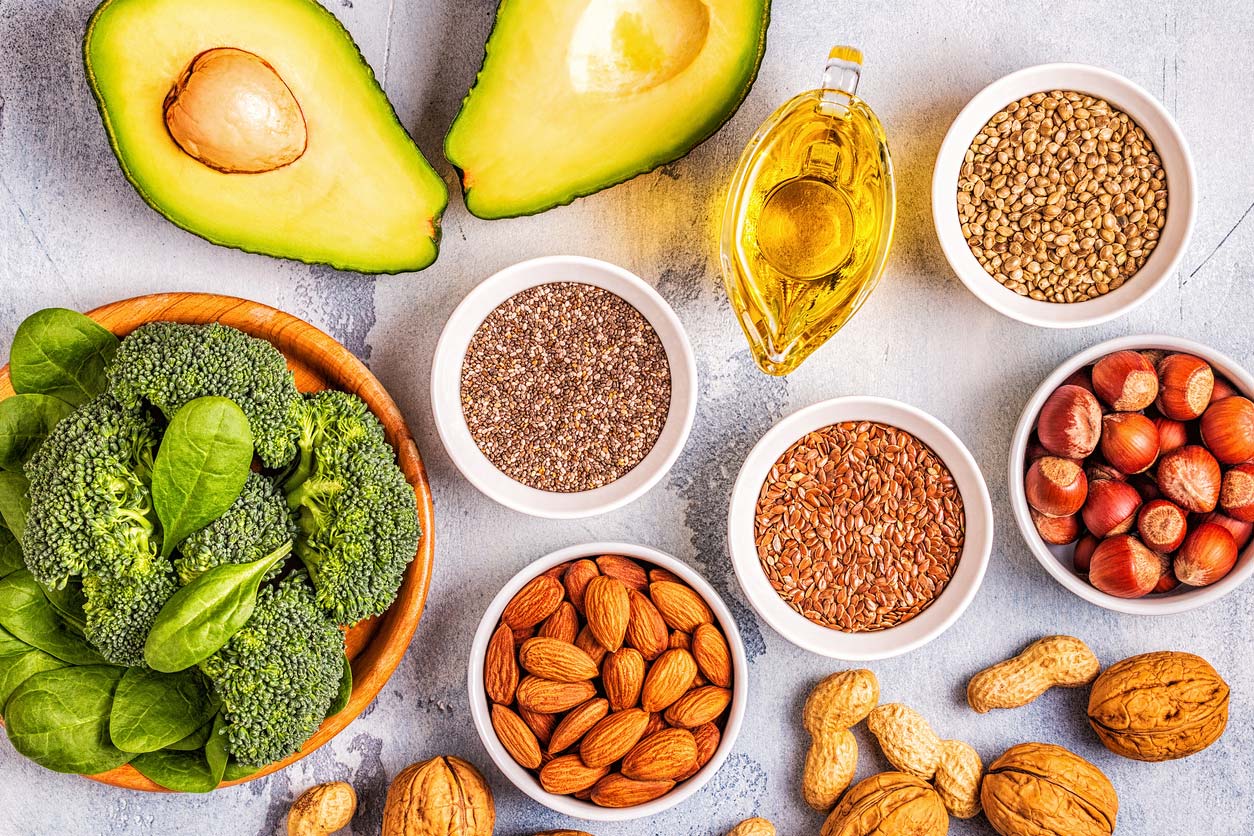
Some of the best vegan sources of ALA include flaxseeds, chia seeds, hemp seeds, and walnuts. I love adding these to smoothies, sprinkling them onto salads, adding them to oatmeal, or mixing them into batters for homemade muffins, waffles, and bread. Certain types of beans, such as edamame and kidney beans, also contain small amounts of ALA.
Some ALA is also found in non-vegan foods such as grass-fed beef. But even organic grass-fed beef isn’t a significant source of ALA. Plus, it comes with a host of health and ethical concerns.
While it’s easy to get enough ALA through nuts and seeds, this approach may not meet your needs for the other two essential omega-3s since, as we’ve seen, humans are not great at converting ALA into DHA and EPA.
DHA and EPA
The best sources of DHA and EPA come from the ocean. Fish is a plentiful source, but it also contains high levels of mercury and heavy metals. And large-scale fishing comes with serious ethical and sustainability concerns, as the 2021 Netflix documentary Seaspiracy makes abundantly clear.
Cold-water, fatty fish like tuna, halibut, salmon, sardines, and mackerel typically deliver the most DHA and EPA, but this also depends on the composition of the food that the fish consumes. After all, macronutrients move up the food chain from their origin — photosynthesizing plants!
And while we tend to think of plants as landlubbers, of course, the ocean is full of them as well. Sea vegetables, like seaweed and algae, also contain EPA and DHA. In fact, just two tablespoons of dried wakame seaweed offers 15-30mg of omega-3 fatty acids. These types of sea vegetables can be enjoyed in a variety of ways. You can use nori sheets to make plant-based sushi rolls, and add flakes or ribbons of kelp, dulse, and wakame to salads and veggie dishes for a unique flavor and texture. You can also enjoy leafy sea vegetables in miso soup.
Increasingly, manufacturers are fortifying foods with DHA and EPA as well. Some brands of eggs, yogurt, juices, milk, and even plant-based pea and soy beverages, are fortified with DHA oil. Unfortunately, it’s hard to assess the quality of this oil, especially compared to the most respected brands of omega-3 supplements.
Omega-3 Supplements
The omega-3 trio can also be found — sometimes more consistently and reliably, depending on your diet pattern — in supplemental form.
ALA
The most concentrated, supplemental, non-whole food source of ALA is flax oil. This provides a higher dose of ALA than you can obtain from flaxseeds themselves, or from other ALA-containing foods. You can find flax oil in the cooking and baking oil aisle at many stores, or in some cases, the refrigerated supplement section. Buyer beware, however: flax oil degrades quickly, so the fresher the better. You want to look for an expiration date that is as far into the future as possible. And again, you may not be able to rely on ALA to provide all your omega-3 needs; we’re just not good enough at converting it into DHA and EPA to consistently make the math work.
EPA and DHA
Supplemental EPA and DHA are often sourced from fish oil, krill oil, and cod liver oil. These may come in actual liquid form or in capsules. When derived from seafood, they come with many of the same health, environmental, and ethical concerns. In addition, while there’s evidence that eating fish can reduce cardiovascular risk, research has not shown a similar benefit from supplemental fish oil. While high doses can reduce triglycerides, that doesn’t seem to translate into less heart disease.
The good news is, omega-3s can also be found in algal oil, which is a vegan-friendly alternative to fish oil. It’s also more sustainable than fishing, as algae grow quickly and don’t contribute to overfishing. Algae can be grown under controlled conditions, free from toxins like mercury and microplastics, that may be present in fish and fish oils.
Most importantly, algal oil appears to be at least as effective as fish oil because, again, fish get their omega-3s from eating algae and other ocean plant life anyway. So choosing algal oils basically lets you cut out the middlefish.
Compared to fish oils, however, algae oils have been found to be higher in DHA and lower in EPA.
Since both EPA and DHA confer unique and important benefits, you may want to ensure that any algal omega-3 supplements contain a balance of both.
Omega-3 from Algae Supplements
Is an algae-based omega-3 supplement the right choice for you? People who may want to add a supplement to their routine include those most at risk of deficiency, like pregnant women, people over 65, and those who don’t regularly consume fatty fish. Fortunately, there are a variety of vegan, algae-based DHA and EPA supplements on the market.
One of my favorite vegan omega-3 supplements is COMPLEMENT Essential. This is the “all-in-one” multivitamin for plant-based adults and children alike, containing several important nutrients that can be challenging even for super healthy eaters to get, including algae-based EPA and DHA as well as B12, D3, Iodine, Zinc, K2, Magnesium, and Selenium. If you want more EPA and DHA than COMPLEMENT Essential provides, or if you prefer to take them separately, there are many options to choose from, including COMPLEMENT’s Omega Complex (linked here).
We have evidence that B vitamins (including B12 itself) and EPA+DHA work synergistically. Therefore, maintaining adequate levels of both B12 and EPA+DHA, specifically, provides greater health benefits.
(If you make a purchase using the COMPLEMENT links above, you’ll get the best deal available on algal omega-3 supplements. And the folks at COMPLEMENT will make a contribution in support of Food Revolution Network’s mission of healthy, ethical, and sustainable food for all. Thank you!)
Risks & Side Effects of Taking Omega-3 Supplements
While omega-3s in supplemental form are convenient and more reliable than dietary sources for most people, they do come with some potential side effects to consider.
Based on current study dosages, it appears that adults may safely consume up to 3,000 mg of fish oil daily. No upper limit has been established for algal oil, but likely a similar amount is safe.
Side effects of taking omega-3s, primarily as fish oil, can include an unpleasant taste of the supplement itself that lingers in your mouth, bad breath, heartburn, nausea, gastrointestinal discomfort, diarrhea, headache, and even odoriferous sweat with more than a hint of “off-season fish market.” If you’d like to avoid fishy armpits, for example, algal oil may be a better option as users generally don’t report those particular side effects.
Additionally, any type of omega-3 supplement may interact with Warfarin and other anticoagulant medications, so it’s best to avoid adding omega-3s to your routine if you take one of these, at least until you speak with your healthcare provider.
Fish oil may also increase the risk of atrial fibrillation (Afib), or irregular heartbeat, in people with existing heart disease or who are at a higher risk of developing heart disease. One 2021 study by the European Society of Cardiology found that taking fish oil supplements was associated with a higher likelihood of developing Afib among people with high triglyceride levels. We don’t know if the same is true of algal oil, but it certainly could be. Again, it’s always a good idea to speak to a health professional before adding a new supplement to your lifestyle to make sure it’s appropriate for you.
Omega-3-Rich Recipes
You can incorporate omega-3-rich, plant-based foods into your diet in lots of delicious ways.
In our family, we grind fresh flax and chia seeds in a dedicated coffee grinder every few days and keep the ground meal refrigerated so it’s always fresh.
You can add ground flax and chia seeds to smoothies, sprinkle them onto smoothie bowls, add them to oatmeal, and include them in almost any other dish. Give it a try with our Berry Delicious Omega Smoothie Bowl!
Chia seeds are super versatile because they’re very hydrophilic (they soak up lots of liquid!), making them ideal ingredients for rich puddings, thick sauces, and creamy dressings like the Chia Seed Vinaigrette.
For something to really sink your teeth into, Not Your Store-Bought Black Bean Burgers use omega-3-rich walnuts and flax meal to help bind the burgers. Plus, both ingredients add tons of nutritional value!
1. Berry Delicious Omega Smoothie Bowl
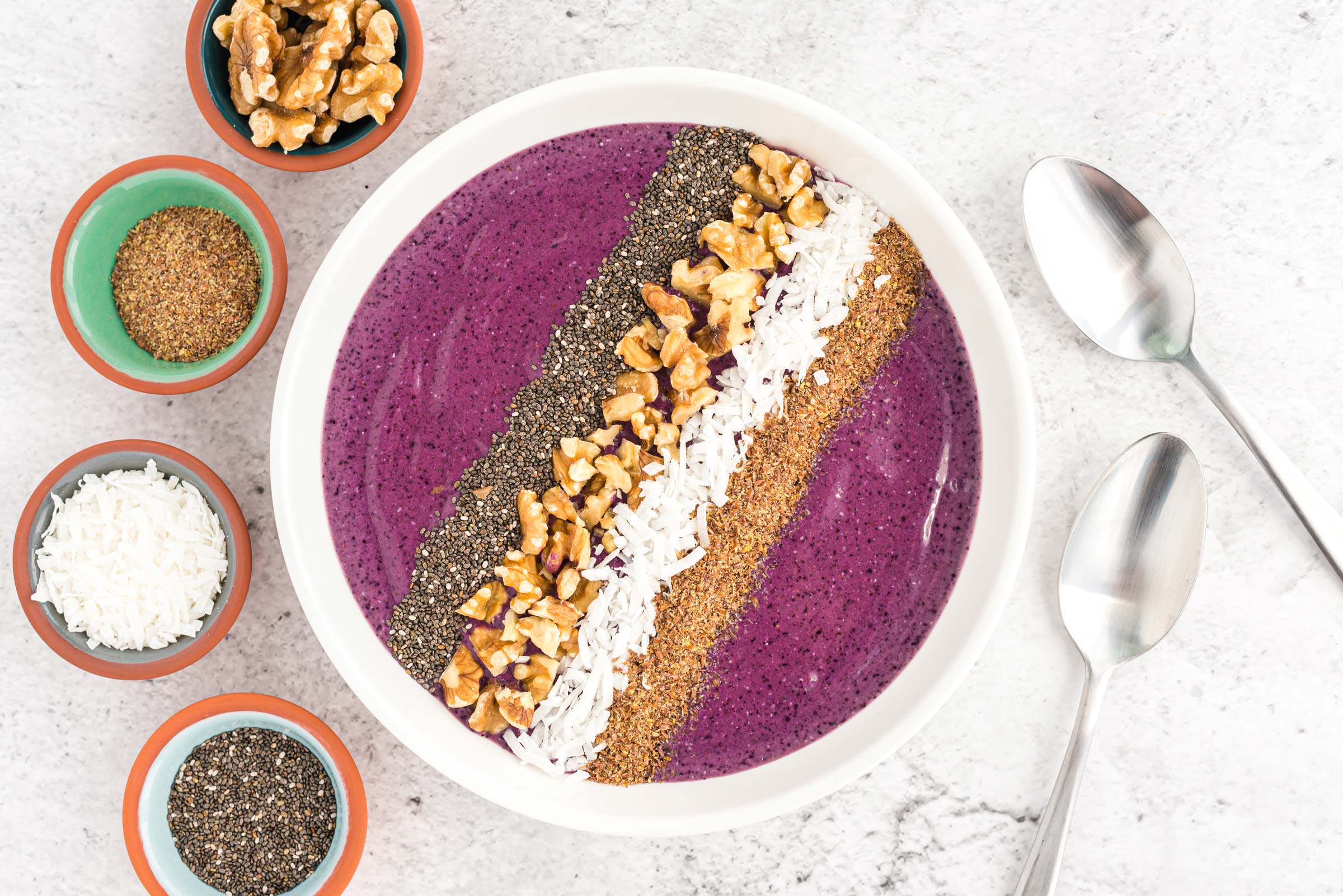
This nourishing bowl of deliciousness packs all of your favorite plant-based omega-3s into one recipe! Chia seeds, walnuts, and flax meal complement the creamy berry base with their crunchy textures. With minimal preparation time, bursts of flavor, and plenty of nutrition benefits, we’re sure you’re going to love the Berry Delicious Omega-3 Smoothie Bowl!
2. Chia Seed Vinaigrette

Chia seeds are one of the most versatile and nutritious foods. They can replace traditional eggs and act as a binder in baked goods, create pudding-like consistencies in sweet treats, and transform liquids from thin to thick, as demonstrated in this Chia Seed Vinaigrette. In place of synthetic thickening agents or cream bases, chia seeds and sunflower seeds come together to yield a creamy dressing that you can use on salads, grain bowls, or steamed veggies.
3. Not Your Store-Bought Black Bean Burgers

Double your dose of plant-based omega-3s with one tasty and easy-to-prepare veggie bean burger! Walnuts and flax meal act as binders to keep this burger together and make it ideal for grilling or baking before you add it to your whole grain bun with piled-high veggies. Make extra and store the patties in the freezer so you have ready-to-go meals for weeks to come!
Omega-3s Are Vital For Your Health

Omega-3s are essential to your health and offer a number of benefits for your heart, brain, and whole body. There are three main types of omega-3s, and it’s important to know where you’re getting each one from.
There are three main types of omega-3s, and it’s important to know where you’re getting each one from. You can get ALA from plant foods, but its conversion to EPA and DHA can be low, and differs between people. EPA and DHA may be more difficult to obtain directly, especially if you don’t eat fish and seafood. Therefore, an omega-3 supplement may be necessary to make sure you get enough of these types of omega-3s, especially if you fall into a higher-risk category.
Editor’s Note: If you’re looking to boost your omega-3 intake with a clean, plant-based solution, we like COMPLEMENT’s Omega Complex. This high-quality formula delivers over 960 mg of omega-3s, including EPA+DHA from algae and ALA+SDA from ahiflower, in an optimal 4:1 omega-3 to omega-6 ratio.
With broad-spectrum support for brain, heart, immune, and metabolic health, it’s a simple way to get the essential fatty acids your body needs without fish or synthetic additives. Plus, it’s 100% vegan, third-party tested for purity, safely packaged in a compostable pouch, and backed by a 100-day satisfaction guarantee.
Click here to learn more and access a special Food Revolution Network reader discount.
When you purchase through that link, COMPLEMENT will contribute a portion of the proceeds to support Food Revolution Network’s mission. (Thank you!)
Tell us in the comments:
- Do you take an omega-3 supplement?
- What are some sources of omega-3 in your diet? Do you have a favorite way to enjoy them?
- Have you ever had an omega-3 blood test or experienced symptoms of omega-3 insufficiency? What did you do?
Feature image: iStock.com/pashapixel

